Family Diplomacy | A Collaborative Law Firm
  • Practice Areas
    • Collaborative Divorce
    • Adoption
    • Divorce
    • Legal Name Change
    • LGBTQ+ Family Law
    • Mediation
    • Prenuptial and Postnuptial Agreements
  • Attorney Profile
    • Adam B. Cordover – Attorney Profile
    • Jennifer Gunnin – Executive Paralegal & Client Care Specialist Profile
    • Isamar Abudeye – Welcome Services Liaison Profile
  • Reach Out to Us
  • Locations
    • Tampa Collaborative Family Law Office
    • Saint Petersburg Collaborative Family Law Office
    • Sarasota Collaborative Family Law Office
  • Education Center
    • Blog
    • Florida Divorce 101 Video Library
    • Free Florida CLE for Lawyers: Learn When to Refer Clients to Collaborative Divorce
    • FAQs
      • Resources
  • Click to open the search input field Click to open the search input field Search
  • Menu Menu
CONTACT US - 813.443.0615

Tag Archive for: private divorce Florida

Florida Records Public - Family Diplomacy | A Collaborative Law Firm

Are Florida Divorce Records Public? How Your Divorce Lawyer Could Be Exposing Your Financial Information to Competitors.

July 14, 2026/in Collaborative Divorce, Private Divorce //Tags: business owner divorce, business valuation divorce, collaborative divorce, Divorce Privacy, Entrepreneur Divorce, executive divorce, financial affidavit, florida divorce, high asset divorce Florida, high net worth divorce, lawyer divorce, Neutral Financial Professional, physician divorce, private divorce Florida, Sarasota divorce lawyer, St. Petersburg divorce lawyer, Tampa collaborative divorceby Adam

Key Takeaways

  • Yes. Generally speaking, divorce records and financial information filed in a traditional Florida Divorce, including financial affidavits, become part of the public court file.
  • Business owners, physicians, executives, lawyers, and other professionals should carefully consider whether public financial disclosures could expose sensitive business information to competitors, clients, employees, vendors, or investors.
  • Done correctly, Collaborative Divorce is designed to maximize privacy by keeping negotiations confidential and minimizing what gets filed in the public record while promoting complete financial transparency between the spouses.
  • In a Collaborative Divorce, spouses generally still have to exchange financial affidavits, but they can choose to keep it out of the public court file.
  • Other ways that Collaborative Divorce helps maintain financial discretion include filing far away from where the spouses live or work and choosing the county with the best privacy options.

Can Your Competitors See Your Financial Information During a Florida Divorce?

If you are an executive or own a business, a medical practice, a law firm, or another successful company, one of the biggest risks in a traditional Florida Divorce may have nothing to do with who gets what. It may be that your lawyer is preparing your case for trial instead of preparing it for resolution, and in the process, your private financial information could end up in the public divorce records.

Most people assume that divorce is a private matter. They are often surprised to learn that, in almost every Florida Divorce, each spouse must complete a financial affidavit listing their income, expenses, assets, and debts. Generally, in traditional divorce cases, that affidavit is filed with the court, where your divorce records become available to anyone who wants to read it.

If you have spent years building your business and your reputation, that should concern you.

Imagine a competitor learning how much income your business generates. Imagine a prospective client finding details about your personal finances. Imagine employees, vendors, or future business partners accessing information that was never intended for public view.

For entrepreneurs, executives, physicians, lawyers, and other professionals, privacy is not just a personal preference. It is part of protecting the business you worked so hard to build.

Quick Answer

Yes, in most Florida Divorce cases, sensitive financial information becomes part of your public divorce records through the filing of financial affidavit and other documents. If privacy matters to you, choosing the right divorce lawyer and divorce process from the very beginning can make a significant difference.

Collaborative Divorce takes a fundamentally different approach. Rather than preparing every case for the possibility of litigation, the process is designed to help spouses reach an informed agreement outside of court while protecting confidentiality and sensitive information whenever possible.
Read more →

https://familydiplomacy.com/wp-content/uploads/2026/07/Florida-Records-Public.jpg 720 1280 Adam https://familydiplomacy.com/wp-content/uploads/2016/12/Family-Diplomacy-Logo.jpg Adam2026-07-14 10:18:462026-07-14 10:18:46Are Florida Divorce Records Public? How Your Divorce Lawyer Could Be Exposing Your Financial Information to Competitors.
Do My Business Bank Accounts Get Divided In A Florida Divorce - Family Diplomacy | A Collaborative Law Firm

What Is Collaborative Divorce? 3 Defining Elements.

June 9, 2026/in Collaborative Divorce, Divorce Agreement, Private Divorce //Tags: business owner divorce, collaborative attorney, Collaborative Divorce Florida, Collaborative Divorce St. Petersburg, Collaborative Divorce Tampa, complex financial divorce, confidential divorce, disqualification clause, divorce without court, executive divorce, Florida Collaborative Law, high net worth divorce, lawyer divorce, out of court divorce, participation agreement, physician divorce, private divorce Florida, Sarasota divorce lawyer, St. Petersburg divorce attorney, Tampa Divorce Lawyerby Adam

Collaborative Divorce in Florida: The 3 Defining Elements That Make It Different

Collaborative Divorce in Florida is not just any peaceful divorce, private negotiation, or settlement-minded process. It has three defining elements:

  1. Each spouse has a separate Collaborative attorney;
  2. The spouses sign a written Participation Agreement; and
  3. The Participation Agreement includes a disqualification clause that keeps the lawyers and other professionals out of contested court litigation.

If you are a physician, lawyer, executive, business owner, public figure, or professional with complex finances, those details matter. You may want privacy. You may want control. You may want your divorce handled thoughtfully, without a judge making the most personal decisions of your life.

Collaborative Divorce gives you a structured way to do that.

Quick Answer: What Are the 3 Defining Elements of Collaborative Divorce in Florida?

The three defining elements of Collaborative Divorce are (i) separate Collaborative attorneys for each spouse, (ii) a written participation agreement, and (iii) a disqualification clause that prevents the Collaborative lawyers and other professionals from engaging in contested litigation.

Read more →

https://familydiplomacy.com/wp-content/uploads/2026/06/Do-My-Business-Bank-Accounts-Get-Divided-In-A-Florida-Divorce.jpg 720 1280 Adam https://familydiplomacy.com/wp-content/uploads/2016/12/Family-Diplomacy-Logo.jpg Adam2026-06-09 10:22:132026-06-09 10:22:13What Is Collaborative Divorce? 3 Defining Elements.
Identity Theft 4 - Family Diplomacy | A Collaborative Law Firm

Florida Divorce: Preventing Identity Theft Through Collaborative Divorce

May 26, 2026/in Collaborative Divorce, Divorce Agreement, Private Divorce //Tags: Adam B. Cordover, business owner divorce, collaborative divorce, confidential divorce Florida, discreet divorce, executive divorce, Family Diplomacy, Financial Affidavit Florida, Florida Collaborative Divorce, Florida divorce records, Florida family law, high net worth divorce, Hillsborough County divorce, identity theft divorce, Marital Settlement Agreement Florida, Parenting Plan Florida, Pinellas County divorce, private divorce Florida, public divorce records Florida, Sarasota divorce lawyer, St. Petersburg divorce lawyer, Tampa collaborative divorceby Adam

Florida divorce proceedings can unintentionally expose sensitive financial and personal information to the public, increasing identity theft and privacy risks for professionals, executives, business owners, physicians, lawyers, and other high-net-worth individuals. Collaborative Divorce can help you keep more of your financial and family information private by reducing unnecessary public court filings and avoiding public courtroom litigation whenever possible.

If you are going through divorce in Florida, one of the most important questions you should ask is not just how your divorce will end, but how public the process will become along the way.

Many people are surprised to learn that even amicable divorces resolved through mediation or direct negotiation often still result in sensitive documents being placed in the public court file.

That may include:

  • Financial Affidavits
  • Parenting Plans
  • Marital Settlement Agreements
  • Responses to Requests for Production of Documents

For many families in Tampa Bay and statewide throughout Florida, this level of exposure feels unnecessary and risky.

Quick Answer

Collaborative Divorce can help reduce potential exposure to identity theft and privacy risks by allowing many sensitive financial and parenting documents to remain outside the public court file whenever possible. Unlike traditional divorce litigation and many standard mediated divorces, Collaborative Divorce can be intentionally structured around privacy, discretion, and confidential problem-solving.

Definition: Private Divorce in Florida

A private divorce process in Florida generally refers to resolving divorce issues outside of public courtroom litigation and keeping your private information out of the public court file whenever possible. Collaborative Divorce is the preeminant example because it emphasizes confidential negotiations, private financial disclosure, and reduced public filings.  A judge is still required to grant the divorce and your final judgment of divorce is of public record, but the amount of personal and sensitive information is stripped down to bare bones.

Read more →

https://familydiplomacy.com/wp-content/uploads/2026/05/Identity-Theft-4.jpg 720 1280 Adam https://familydiplomacy.com/wp-content/uploads/2016/12/Family-Diplomacy-Logo.jpg Adam2026-05-26 16:13:402026-07-05 11:01:19Florida Divorce: Preventing Identity Theft Through Collaborative Divorce
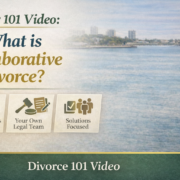
Collaborative Divorce In Florida Infographic Showing Private Divorce Process, Separate Lawyers, And Solutions-Focused Out-Of-Court Resolution

What Is Collaborative Divorce?

April 12, 2026/in Collaborative Divorce, Divorce Process, Private Divorce, Video //Tags: amicable divorce Florida, Collaborative Divorce Florida, Collaborative Divorce Tampa, confidential divorce process, Divorce 101, divorce for professionals, divorce without court, family law Tampa Bay, Florida divorce options, high net worth divorce, out of court divorce, private divorce Florida, Sarasota divorce lawyer, St. Petersburg divorce attorney, Tampa Divorce Lawyerby Adam

If you are exploring Collaborative Divorce in Florida, you are likely looking for a way to protect your privacy, preserve your wealth, and avoid a judge controlling your future.  The video and transcript below explains how it works and why many professionals in Tampa Bay and throughout Florida choose this approach.

Quick Answer

Collaborative Divorce is a private, out-of-court process where you and your spouse work with your own lawyers and a professional team to reach a resolution without fighting in court.

Key Takeaways

  • Collaborative Divorce keeps your personal and financial details out of the public record
  • You and your spouse remain in control of the outcome, not a judge
  • Each spouse has their own lawyer for independent legal advice
  • The process uses a team approach, including a Facilitator and Financial Professional
  • If the process breaks down, the Collaborative attorneys must withdraw
  • About 85% of Florida Collaborative cases in a 2014–2024 analysis reached full resolution
  • It is especially well-suited for professionals who value privacy, efficiency, and control

Read more →

https://familydiplomacy.com/wp-content/uploads/2026/04/What-is-Collaborative-Divorce-Video.png 1024 1536 Adam https://familydiplomacy.com/wp-content/uploads/2016/12/Family-Diplomacy-Logo.jpg Adam2026-04-12 09:51:312026-06-14 11:13:23What Is Collaborative Divorce?
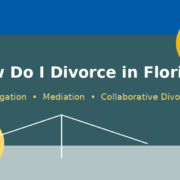
Florida Divorce Options Graphic Answering The Question How To Divorce And Showing Litigation, Mediation, And Collaborative Divorce Paths

How Do I Divorce In Florida?

April 5, 2026/in Divorce Process, Collaborative Divorce, Mediation, Video //Tags: Collaborative Divorce Florida, Divorce 101, divorce options Florida, divorce without court Florida, family law Tampa Bay, Florida divorce process, high net worth divorce Florida, mediation vs litigation divorce, private divorce Florida, St. Petersburg divorce lawyer, Tampa Divorce Lawyerby Adam

Quick Answer

The main ways to divorce in Florida are litigation, mediation, and Collaborative Divorce, and the right choice depends on how much privacy, control, and cooperation you want in the process. In the video below, I walk you through these options, and the full transcript is provided beneath it for your convenience.

Summary Box / Key Takeaways

  • Litigation is public, slow, and controlled by a judge
  • Mediation is private and generally best for short-term marriages or simple finances
  • Collaborative Divorce keeps everything private with you and your spouse in control of decisions
  • About 85 percent of Florida Collaborative cases reach full resolution
  • Choosing the right process can shape your financial and personal future

If you are like many professionals, business owners, or executives in Tampa Bay and throughout Florida, you are not just looking for a divorce. You are looking for a thoughtful, private way to move forward without a judge controlling the outcome or your personal life becoming part of the public record.  The video below discusses the different ways you can divorce in Florida.

Read more →

https://familydiplomacy.com/wp-content/uploads/2026/04/How-Do-I-Divorce-In-Florida.png 628 1200 Adam https://familydiplomacy.com/wp-content/uploads/2016/12/Family-Diplomacy-Logo.jpg Adam2026-04-05 09:34:472026-06-14 11:14:03How Do I Divorce In Florida?
Learn Who Can Divorce In Florida

Divorce 101 Video: Who Can Divorce In Florida?

March 29, 2026/in Divorce, Video //Tags: Collaborative Divorce Florida, Divorce 101, divorce planning Florida, Florida divorce requirements, Florida divorce residency, Florida family law, high net worth divorce Florida, private divorce Florida, St. Petersburg divorce attorney, Tampa Divorce Lawyer, who can file for divorce Floridaby Adam

Quick Answer

At least one spouse must have lived in Florida for at least six months before filing for divorce.

Who Can Divorce in Florida?

If you are asking who can divorce in Florida, you are likely thinking about timing, privacy, and how to move forward without unnecessary disruption to your life and career.

As a physician, executive, business owner, military officer, or other professional, you may not want your personal life dragged through a public courtroom. You want clarity. You want control. And you want to make the right move at the right time.

Read more →

https://familydiplomacy.com/wp-content/uploads/2026/03/Divorce-101-Video-1-Graphic-Who-Can-Divorce-in-Florida-v2.png 1024 1536 Adam https://familydiplomacy.com/wp-content/uploads/2016/12/Family-Diplomacy-Logo.jpg Adam2026-03-29 10:37:032026-06-14 11:14:33Divorce 101 Video: Who Can Divorce In Florida?
Cle Post Gradient - Family Diplomacy | A Collaborative Law Firm

Free Florida CLE for Lawyers: Learn When to Refer Clients to Collaborative Divorce

January 20, 2026/in Collaborative Divorce, Divorce Process, Florida Statutes, Private Divorce, Training //Tags: collaborative divorce, divorce referral attorneys, family law referrals, Florida Bar CLE, Florida CLE, Florida lawyers CLE, non-litigation divorce, private divorce Florida, professional divorce privacy, Tampa collaborative divorceby Adam

Collaborative Divorce offers Florida lawyers, regardless of practice area or professional setting, a private and discreet referral option for clients facing divorce, and you can earn free Florida Bar CLE credit while learning how to determine when that referral makes sense.

As a lawyer, you are often the first professional a client turns to when divorce becomes unavoidable. When that client is a lawyer, physician, executive, business owner, LGBTQ+ professional, public figure, the stakes are higher. Courtroom exposure, public filings, and escalated conflict can affect careers, reputations, businesses, and families in lasting ways.

Many lawyers want a referral option that aligns with those realities but understandably want to learn more before recommending a process they do not practice themselves. This free, on-demand Florida CLE (approved by the Florida Bar through July 31, 2027) was created specifically for lawyers who want to understand Collaborative Divorce well enough to confidently discuss it with the right clients, while earning CLE credit at the same time.

Quick Answer

You can earn 1.0 hour of Florida Bar–approved CLE credit for free by watching an on-demand program that explains how Collaborative Divorce works in Florida and when it may be an appropriate referral option for your clients.  Instantly access the CLE by filling out the form below.


Key Takeaways

  • Free registration and on-demand access
  • Florida Bar–approved CLE credit (1.0 hour)
  • Designed for lawyers considering referral options
  • Focused on privacy, confidentiality, and dignified resolution

Why This CLE Matters for Your Clients

Litigation is not wrong, but it is not right for every family. For clients whose lives or livelihoods could be impacted by public divorce proceedings, the process itself can be as damaging as the outcome.

Collaborative Divorce offers a way to resolve divorce privately, outside of court, with a structured team approach focused on resolution rather than escalation. This CLE gives you a clear framework for understanding when Collaborative Divorce may be a good fit and when it may not, so your referral decisions are informed rather than theoretical.

Read more →

https://familydiplomacy.com/wp-content/uploads/2026/01/CLE-Post-Gradient.jpg 720 1280 Adam https://familydiplomacy.com/wp-content/uploads/2016/12/Family-Diplomacy-Logo.jpg Adam2026-01-20 08:32:462026-05-08 15:06:56Free Florida CLE for Lawyers: Learn When to Refer Clients to Collaborative Divorce
Divorce Statute 1 - Family Diplomacy | A Collaborative Law Firm

Does Florida’s Collaborative Divorce Statute Protect Confidentiality?

December 8, 2025/in Collaborative Divorce, Business, Florida Statutes, Private Divorce, Public Record, Sell Business //Tags: business valuation divorce, collaborative attorney, collaborative divorce, Collaborative Divorce Florida, collaborative facilitator, collaborative family law, collaborative financial professional, Collaborative Law, collaborative mental health professional, collaborative practice, confidentiality in Collaborative Divorce, dissolution of marriage, divorce, divorce privacy Florida, Fla Stat 61.58, Florida Collaborative Law, florida divorce, Florida Statutes, high asset divorce Florida, private divorce, private divorce Florida, private divorce process, St Petersburg Collaborative Divorce, Tampa Bay Collaborative Divorce, Tampa Bay Collaborative Family Law, Tampa collaborative divorceby Adam

When you face divorce in Florida, you may worry that your financial information, business details, or parenting struggles could become part of a public court file. If you or your spouse are a doctor, lawyer, executive, business owner, or anyone who values privacy, the idea of those details becoming public can feel overwhelming. You want a process that keeps your information protected and puts you, not a judge, in control.

Collaborative Divorce offers that protection. One of the most common questions clients ask is whether Florida’s Collaborative Law statute truly protects confidentiality.

Quick Answer

Yes. Florida’s Collaborative Divorce Statute (specifically, Fla. Stat. §61.58) protects confidentiality by, with narrow exceptions, keeping Collaborative communications private and preventing them from being used in court. The statute also protects nonparty participants (for example, a Neutral Financial Professional or Neutral Facilitator) so the professional team can help you make informed decisions without fear that exploratory discussions meant for informal discussions will later become evidence in a trial.

Key Takeaways

  • Collaborative communications are confidential and generally cannot be used against you in court.
  • The confidentiality and privilege belongs to the spouses and, in certain instances, nonparty participants.
  • Neutral Financial Professionals and Neutral Facilitators are nonparty participants who receive protections so they can work freely and creatively.
  • Fla. Stat. §61.58 has narrow exceptions, such as threats of harm or information that must be reported under other laws.
  • The process supports open problem-solving and protects privacy, which can be especially helpful for high-asset families.

Read more →

https://familydiplomacy.com/wp-content/uploads/2025/12/Divorce-Statute-1.jpg 720 1280 Adam https://familydiplomacy.com/wp-content/uploads/2016/12/Family-Diplomacy-Logo.jpg Adam2025-12-08 14:13:372026-03-17 11:25:05Does Florida’s Collaborative Divorce Statute Protect Confidentiality?
Blog Post Graphic - Family Diplomacy | A Collaborative Law Firm

Conscious Uncoupling and Collaborative Divorce: A Different Way to End a Marriage

September 25, 2025/in Collaborative Divorce //Tags: Adam B. Cordover divorce attorney, collaborative attorney, collaborative divorce, Collaborative Divorce Florida, collaborative facilitator, collaborative family law, collaborative financial professional, Collaborative Law, collaborative mental health professional, collaborative practice, conscious uncoupling, dissolution of marriage, divorce, mindful divorce process, neutral facilitator Collaborative Divorce, neutral financial professional divorce, private divorce Florida, Tampa Bay Collaborative Divorce, Tampa Bay Collaborative Family Lawby Adam

For many, the word divorce brings to mind courtrooms, conflict, and chaos. But there’s a growing movement—both philosophical and legal—toward a different way. One that emphasizes respect, empathy, and forward-looking resolution. This is where the concept of conscious uncoupling intersects with the legal process of Collaborative Divorce.

What Is Conscious Uncoupling?

Conscious uncoupling is the idea that a relationship can end without destroying the people involved. Popularized in part by public figures like Gwyneth Paltrow and Chris Martin, the term speaks to the real possibility of ending a marriage with mindfulness, emotional intelligence, and compassion.

In a 2024 PEOPLE article, Paltrow reflected on being “proud” of having used the term when they announced their split in 2014. Another article in Business Insider describes how she and Martin discovered the phrase during their separation, and how they used it to frame their transition in a healthier way.

Rather than blaming one another or escalating tension, couples who choose conscious uncoupling acknowledge that the relationship has served its purpose and now deserves a dignified conclusion. They focus on preserving their individual wellbeing and the wellbeing of any children involved. It’s about moving forward, not tearing each other down.

But philosophy alone only goes so far. That’s where Collaborative Divorce comes in.

Read more →

https://familydiplomacy.com/wp-content/uploads/2025/09/Blog-Post-Graphic.png 1024 1536 Adam https://familydiplomacy.com/wp-content/uploads/2016/12/Family-Diplomacy-Logo.jpg Adam2025-09-25 10:17:412025-09-25 10:17:41Conscious Uncoupling and Collaborative Divorce: A Different Way to End a Marriage
Search Search

Categories

  • Divorce
  • Money & Property
  • Collaborative Divorce
  • Kids & Divorce
  • Mediation
  • LGBT Family Law Matters
  • Adoption
  • Case Law Update
  • Family Law News
  • FAQs
  • Florida Family Law Rules of Procedure
  • Florida Statutes
  • Legislative Update
  • Legal Name Change
  • Unbundled Legal Services

Archives

Recent Posts

  • How Do I Adopt My Grandchild in Florida?
  • Divorce 101: How Does Alimony Work in a Florida Divorce?
  • Are Florida Divorce Records Public? How Your Divorce Lawyer Could Be Exposing Your Financial Information to Competitors.
  • How Do Taxes Affect Retirement Accounts in a Florida Divorce?
  • Birth Certificate Amendments and Corrections: When You May Need a Legal Name Change in Florida

Want to Learn More?

When Discretion Matters, Count On Us

Reach Out to Us

Lawyer Adam Cordover | Lawyer Divorce
Lawyer Adam Cordover | Top Attorney Divorce

Our Offices (by appointment)

TAMPA - 3030 North Rocky Point Drive, Suite 150, Tampa, FL 33607

SAINT PETERSBURG - 475 Central Avenue, Suite 205, St. Petersburg, FL 33701

SARASOTA - 1858 Ringling Boulevard, Suite 110, Sarasota, FL 34236

Accepting Clients Throughout the State of Florida

Want to Learn More? When Discretion Matters, Count On Us.

Reach Out to Us

Recent Posts

  • How Do I Adopt My Grandchild in Florida? July 21, 2026
  • Divorce 101: How Does Alimony Work in a Florida Divorce? July 15, 2026
  • Are Florida Divorce Records Public? How Your Divorce Lawyer Could Be Exposing Your Financial Information to Competitors. July 14, 2026
  • How Do Taxes Affect Retirement Accounts in a Florida Divorce? July 8, 2026
  • Birth Certificate Amendments and Corrections: When You May Need a Legal Name Change in Florida July 1, 2026
© 2025 FAMILY DIPLOMACY: A COLLABORATIVE LAW FIRM. ALL RIGHTS RESERVED
  • Link to Facebook
  • Link to X
  • Link to LinkedIn
  • Link to Rss this site
  • Home
  • Practice Areas
  • Attorney Profile
  • Schedule a Consultation or Learn More
  • Locations
  • Blog
  • FAQ
  • Make A Payment
Scroll to top Scroll to top Scroll to top