Family Diplomacy | A Collaborative Law Firm
  • Practice Areas
    • Collaborative Divorce
    • Adoption
    • Divorce
    • Legal Name Change
    • LGBTQ+ Family Law
    • Mediation
    • Prenuptial and Postnuptial Agreements
  • Attorney Profile
    • Adam B. Cordover – Attorney Profile
    • Jennifer Gunnin – Executive Paralegal & Client Care Specialist Profile
    • Isamar Abudeye – Welcome Services Liaison Profile
  • Reach Out to Us
  • Locations
    • Tampa Collaborative Family Law Office
    • Saint Petersburg Collaborative Family Law Office
    • Sarasota Collaborative Family Law Office
  • Education Center
    • Blog
    • Florida Divorce 101 Video Library
    • Free Florida CLE for Lawyers: Learn When to Refer Clients to Collaborative Divorce
    • FAQs
      • Resources
  • Click to open the search input field Click to open the search input field Search
  • Menu Menu
CONTACT US - 813.443.0615
Do My Business Bank Accounts Get Divided In A Florida Divorce - Family Diplomacy | A Collaborative Law Firm

What Is Collaborative Divorce? 3 Defining Elements.

June 9, 2026/in Collaborative Divorce, Divorce Agreement, Private Divorce //Tags: business owner divorce, collaborative attorney, Collaborative Divorce Florida, Collaborative Divorce St. Petersburg, Collaborative Divorce Tampa, complex financial divorce, confidential divorce, disqualification clause, divorce without court, executive divorce, Florida Collaborative Law, high net worth divorce, lawyer divorce, out of court divorce, participation agreement, physician divorce, private divorce Florida, Sarasota divorce lawyer, St. Petersburg divorce attorney, Tampa Divorce Lawyerby Adam

Collaborative Divorce in Florida: The 3 Defining Elements That Make It Different

Collaborative Divorce in Florida is not just any peaceful divorce, private negotiation, or settlement-minded process. It has three defining elements:

  1. Each spouse has a separate Collaborative attorney;
  2. The spouses sign a written Participation Agreement; and
  3. The Participation Agreement includes a disqualification clause that keeps the lawyers and other professionals out of contested court litigation.

If you are a physician, lawyer, executive, business owner, public figure, or professional with complex finances, those details matter. You may want privacy. You may want control. You may want your divorce handled thoughtfully, without a judge making the most personal decisions of your life.

Collaborative Divorce gives you a structured way to do that.

Quick Answer: What Are the 3 Defining Elements of Collaborative Divorce in Florida?

The three defining elements of Collaborative Divorce are (i) separate Collaborative attorneys for each spouse, (ii) a written participation agreement, and (iii) a disqualification clause that prevents the Collaborative lawyers and other professionals from engaging in contested litigation.
Read more →

https://familydiplomacy.com/wp-content/uploads/2026/06/Do-My-Business-Bank-Accounts-Get-Divided-In-A-Florida-Divorce.jpg 720 1280 Adam https://familydiplomacy.com/wp-content/uploads/2016/12/Family-Diplomacy-Logo.jpg Adam2026-06-09 10:22:132026-06-09 10:22:13What Is Collaborative Divorce? 3 Defining Elements.
Identity Theft 4 - Family Diplomacy | A Collaborative Law Firm

Florida Divorce: Preventing Identity Theft Through Collaborative Divorce

May 26, 2026/in Collaborative Divorce, Divorce Agreement, Private Divorce //Tags: Adam B. Cordover, business owner divorce, collaborative divorce, confidential divorce Florida, discreet divorce, executive divorce, Family Diplomacy, Financial Affidavit Florida, Florida Collaborative Divorce, Florida divorce records, Florida family law, high net worth divorce, Hillsborough County divorce, identity theft divorce, Marital Settlement Agreement Florida, Parenting Plan Florida, Pinellas County divorce, private divorce Florida, public divorce records Florida, Sarasota divorce lawyer, St. Petersburg divorce lawyer, Tampa collaborative divorceby Adam

Florida divorce proceedings can unintentionally expose sensitive financial and personal information to the public, increasing identity theft and privacy risks for professionals, executives, business owners, physicians, lawyers, and other high-net-worth individuals. Collaborative Divorce can help you keep more of your financial and family information private by reducing unnecessary public court filings and avoiding public courtroom litigation whenever possible.

If you are going through divorce in Florida, one of the most important questions you should ask is not just how your divorce will end, but how public the process will become along the way.

Many people are surprised to learn that even amicable divorces resolved through mediation or direct negotiation often still result in sensitive documents being placed in the public court file.

That may include:

  • Financial Affidavits
  • Parenting Plans
  • Marital Settlement Agreements
  • Responses to Requests for Production of Documents

For many families in Tampa Bay and statewide throughout Florida, this level of exposure feels unnecessary and risky.

Quick Answer

Collaborative Divorce can help reduce potential exposure to identity theft and privacy risks by allowing many sensitive financial and parenting documents to remain outside the public court file whenever possible. Unlike traditional divorce litigation and many standard mediated divorces, Collaborative Divorce can be intentionally structured around privacy, discretion, and confidential problem-solving.

Definition: Private Divorce in Florida

A private divorce process in Florida generally refers to resolving divorce issues outside of public courtroom litigation and keeping your private information out of the public court file whenever possible. Collaborative Divorce is the preeminant example because it emphasizes confidential negotiations, private financial disclosure, and reduced public filings.  A judge is still required to grant the divorce and your final judgment of divorce is of public record, but the amount of personal and sensitive information is stripped down to bare bones.

Read more →

https://familydiplomacy.com/wp-content/uploads/2026/05/Identity-Theft-4.jpg 720 1280 Adam https://familydiplomacy.com/wp-content/uploads/2016/12/Family-Diplomacy-Logo.jpg Adam2026-05-26 16:13:402026-07-05 11:01:19Florida Divorce: Preventing Identity Theft Through Collaborative Divorce
How To Smartly Negotiate Your Divorce - Family Diplomacy | A Collaborative Law Firm

How to Smartly Negotiate Your Divorce

December 26, 2023/in Collaborative Divorce, Divorce Agreement //Tags: alimony, child custody, child support, collaborative attorney, collaborative divorce, collaborative facilitator, collaborative family law, collaborative financial professional, Collaborative Law, collaborative mental health professional, collaborative practice, dissolution of marriage, divorce, equitable distribution, florida divorce, parental responsibility, parenting planby Adam

Divorce is undoubtedly one of life’s most challenging experiences, requiring emotional resilience and practical decision-making. When navigating the complex terrain of divorce negotiations, a strategic and smart approach can make all the difference. In this blog post, we’ll explore three key principles to help you smartly negotiate your divorce and pave the way for a more amicable and satisfactory resolution.

Focus on the Big Things, Not the Small Things

It’s easy to get caught up in the minutiae of divorce proceedings, arguing over every detail from who gets the newly purchased air fryer to who keeps the television. However, a smart negotiator knows the importance of focusing on the big picture. Prioritize the key issues that will significantly impact your post-divorce life, and don’t sweat the small stuff.

Consider the division of larger assets, child support, alimony, and child custody as primary areas of focus. By concentrating on these critical aspects, you’ll streamline the negotiation process and avoid unnecessary emotional turmoil over trivial matters. Remember that keeping your eye on the big picture is key, and being willing to let go of smaller items can lead to a more expedient and less emotionally taxing divorce.

Read more →

https://familydiplomacy.com/wp-content/uploads/2023/12/How-to-Smartly-Negotiate-Your-Divorce.png 924 1640 Adam https://familydiplomacy.com/wp-content/uploads/2016/12/Family-Diplomacy-Logo.jpg Adam2023-12-26 06:00:432023-12-26 07:04:27How to Smartly Negotiate Your Divorce

Need Help Filling Out Florida Family Law Forms?

August 15, 2016/0 Comments/in Divorce, Divorce Agreement, Unbundled Legal Services //Tags: pro se divorceby Adam

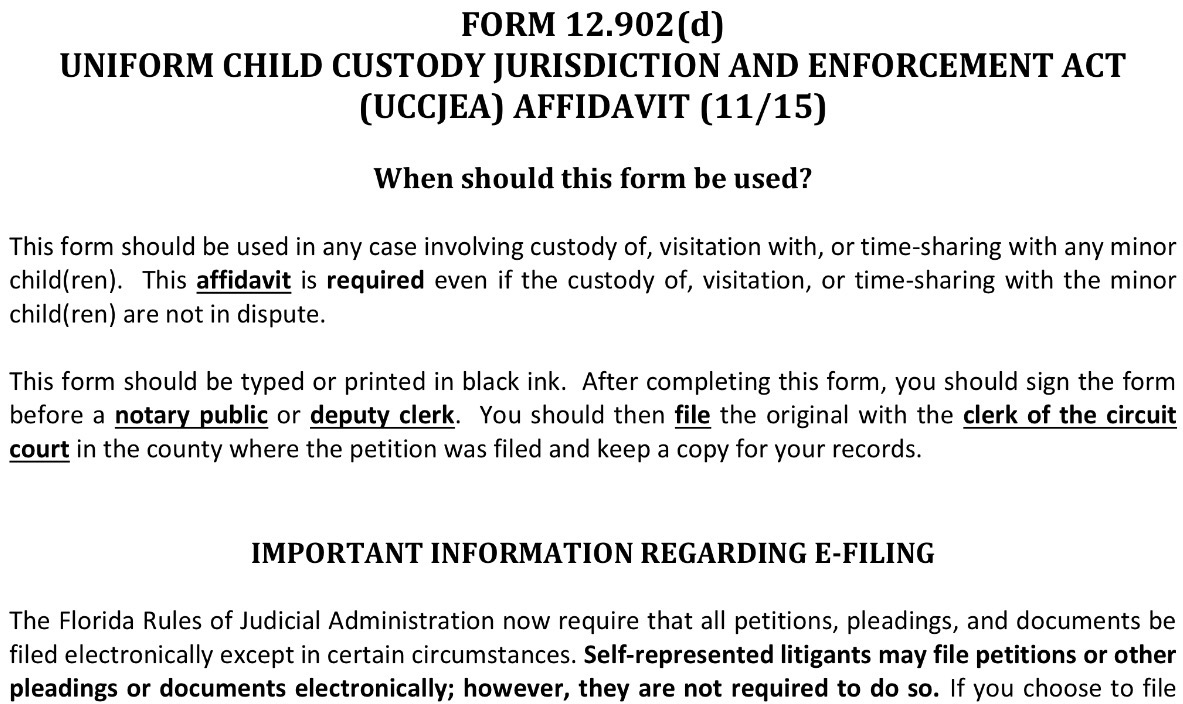
There are many people facing divorce and other family law issues who have decided that, to the extent possible, they want to represent themselves (in legal parlance, this is known as acting “pro se“).  In recognition of this, the Florida Supreme Court has approved family law forms to streamline the process of representing oneself.

Img 0505 - Family Diplomacy | A Collaborative Law Firm
However, even the most savvy among us, if they have not had legal training, can find the task of facing and filling out 100+ pages in forms to be daunting.  So what do you do if you want to proceed pro se and not have to pay for a full-time attorney, but still need some help and advice filling out the Florida Supreme Court-approved Family Law Forms?

Read more →

https://familydiplomacy.com/wp-content/uploads/2016/12/Family-Diplomacy-Logo.jpg 0 0 Adam https://familydiplomacy.com/wp-content/uploads/2016/12/Family-Diplomacy-Logo.jpg Adam2016-08-15 09:24:522017-07-12 22:31:17Need Help Filling Out Florida Family Law Forms?
Search Search

Categories

  • Divorce
  • Money & Property
  • Collaborative Divorce
  • Kids & Divorce
  • Mediation
  • LGBT Family Law Matters
  • Adoption
  • Case Law Update
  • Family Law News
  • FAQs
  • Florida Family Law Rules of Procedure
  • Florida Statutes
  • Legislative Update
  • Legal Name Change
  • Unbundled Legal Services

Archives

Recent Posts

  • How Do I Adopt My Grandchild in Florida?
  • Divorce 101: How Does Alimony Work in a Florida Divorce?
  • Are Florida Divorce Records Public? How Your Divorce Lawyer Could Be Exposing Your Financial Information to Competitors.
  • How Do Taxes Affect Retirement Accounts in a Florida Divorce?
  • Birth Certificate Amendments and Corrections: When You May Need a Legal Name Change in Florida

Want to Learn More?

When Discretion Matters, Count On Us

Reach Out to Us

Lawyer Adam Cordover | Lawyer Divorce
Lawyer Adam Cordover | Top Attorney Divorce

Our Offices (by appointment)

TAMPA - 3030 North Rocky Point Drive, Suite 150, Tampa, FL 33607

SAINT PETERSBURG - 475 Central Avenue, Suite 205, St. Petersburg, FL 33701

SARASOTA - 1858 Ringling Boulevard, Suite 110, Sarasota, FL 34236

Accepting Clients Throughout the State of Florida

Want to Learn More? When Discretion Matters, Count On Us.

Reach Out to Us

Recent Posts

  • How Do I Adopt My Grandchild in Florida? July 21, 2026
  • Divorce 101: How Does Alimony Work in a Florida Divorce? July 15, 2026
  • Are Florida Divorce Records Public? How Your Divorce Lawyer Could Be Exposing Your Financial Information to Competitors. July 14, 2026
  • How Do Taxes Affect Retirement Accounts in a Florida Divorce? July 8, 2026
  • Birth Certificate Amendments and Corrections: When You May Need a Legal Name Change in Florida July 1, 2026
© 2025 FAMILY DIPLOMACY: A COLLABORATIVE LAW FIRM. ALL RIGHTS RESERVED
  • Link to Facebook
  • Link to X
  • Link to LinkedIn
  • Link to Rss this site
  • Home
  • Practice Areas
  • Attorney Profile
  • Schedule a Consultation or Learn More
  • Locations
  • Blog
  • FAQ
  • Make A Payment
Scroll to top Scroll to top Scroll to top